
Written By John VanDerLaan
We may earn revenue from the products available on this site and participate in affiliate programs. Learn more
We had one of the coldest winters in New England history last year, and I took the opportunity to test the Baffin Impact boots in deep snow and extreme cold while hunting the big north woods.
Here's what I found:
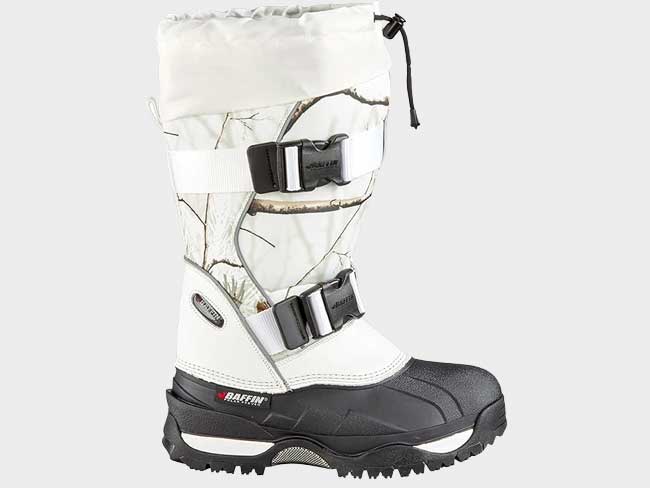
Baffin Impact Boots
- Warmest boots available for extreme cold
- Cushioned removable liner
- Excellent traction
- Not ideal for anything but extreme cold
The Baffin Impact boots are the best boots that we have tested for hunting in extreme cold conditions. They will keep your feet warm for many seasons.
Key Takeaways
- The Baffin Impact boots rank among the warmest hunting boots available, rated to -148°F (-100°C), making them ideal for static sits in tree stands and ground blinds during late-season hunts when temperatures plunge well below zero.
- These boots excel for cold weather hunting where movement is minimal—think December whitetail sits, predator calling , and ice fishing between waterfowl sets—but feel heavy and clumsy for walking long distances or still-hunting through timber.
- The multi-layer removable liner system featuring nine distinct insulation layers, combined with the honeycomb EVA sole, keeps feet warm when every other hunting boot fails after a few hours.
- They’re not ideal for early season hunts or wet slushy creek crossings: extremely warm and somewhat bulky at over 6 lbs per pair, with moderate waterproofing that can leak at the lower rubber-to-fabric seam when submerged.
Overview: What the Baffin Impact Boots Are (and Aren’t) for Hunters
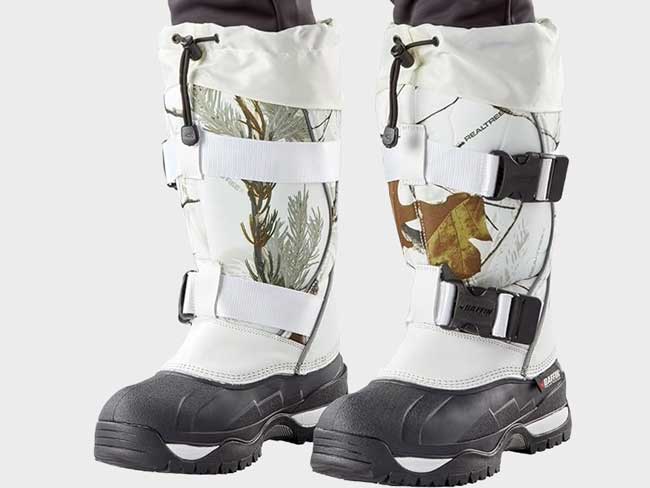
The Baffin Impact boots are purpose-built expedition-grade winter boots that late-season hunters have adopted when standard insulated hunting boots leave their toes numb after an hour on stand. Years ago, boots like this were reserved for arctic expeditions and snowmobile enthusiasts, but hunters in extreme cold discovered their value for stationary hunting in brutal conditions.
Core specs relevant to hunters:
- Rated to approximately -100°C/-148°F by Baffin
- Shaft height around 13-14 inches
- Arctic Rubber shell with fabric/nylon upper
- Removable multi-layer liner with 9 insulation layers
- Weight: 7.42 lbs per pair (size 9)
- External forefoot width: 5.25 inches
In hunting terms, these are best for ambush-style hunting in cold conditions—tree stands, ground blinds, and ice fishing shanties—rather than covering long distances tracking or pursuing spot-and-stalk hunts in the mountains. The oversized fit and moon-boot profile translate to awkwardness on ladder stand steps and climbing sticks, but once you’re seated and glassing or waiting for deer to move, they’re unbeatable.
Warmth Performance for Late-Season Hunting

Warmth is the primary reason any hunter should consider the Baffin Impact. These boots are overkill for mild days but lifesavers when temperatures sit below 0°F for hours. If you’ve ever had to climb down from a stand because your feet got cold despite wearing your warmest boots, you understand the problem these solve.
The dual insulation system works like this: a thick removable 7-layer inner boot combines foam and metallic layers (including a vaporized aluminum membrane that reflects body heat), while a fixed insulation architecture in the shell traps warm air around the foot. This approach addresses heat loss through multiple pathways simultaneously—conduction, convection, radiation, and evaporative cooling.
The honeycomb/EVA sole design traps air pockets underfoot, preventing heat loss through metal treestand grates or frozen ground. During a 4-hour evening sit at -15°F on metal mesh platform, where standard boots would leave you with cold feet within 90 minutes, the Impact kept my toes cozy.
Hunting scenarios where warmth stood out:
- Late season whitetail hunts in midwest, windswept feilds
- Predator calling at night in January on wind-swept fields
- Sitting over a frozen marsh for geese when windchill drops below -25°F
- Ice fishing trips in Northern Ontario between waterfowl sets
- They are overkill for all-day rut hunts in November across the Upper Midwest where temperatures are more moderate
Most hunters will find these far warmer than typical 800-1600g Thinsulate hunting boots—closer to serious snowmobile and expedition footwear. They’re sometimes almost “too warm” on days above 20°F if you’re walking any distance, which causes sweating that later chills the feet when you stop moving.
Weather Protection and Waterproofing in Real Hunting Conditions
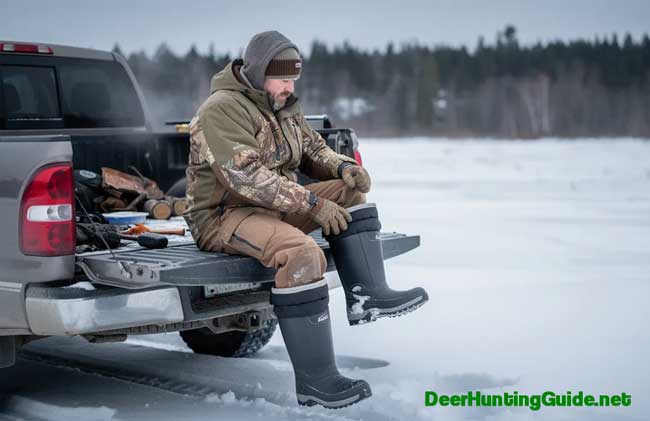
The Impact boots do an excellent job blocking wind and snow for stationary hunting, but have a known weak point at the lower seam if fully submerged or used in slushy creeks. Understanding this limitation helps you deploy them appropriately.
The rubber lower shell, tall shaft (around 13+ inches), and top drawcord work together to keep blowing snow, trail-breaking powder, and ladder-stand spindrift out during extended sits. These features prove their worth when you’re climbing in during a snowstorm or sitting through a 5-hour sit while snow accumulates.
For snow and dry cold, feet stayed warm and dry as long as water doesn’t reach the unsealed seam between the rubber shell and fabric upper. This makes them fine for packed snow, frozen crop fields, and lake ice. Testing by Outdoor Gear Lab confirmed that “the seams leak water,” making these boots problematic when temperatures rise above freezing or water crossing becomes necessary.
Limitations hunters should understand:
- Stepping into an over-the-ankle slush pocket can soak the liner
- Half-frozen beaver runs or breaking thin ice over running water compromises the seal
- Walking back to the truck through wet conditions at dusk becomes uncomfortable
For hunters in Canada or Alaska where dry cold dominates, these boots are bomb proof against the elements. I’d recommend them for prairie timber stands, frozen marsh blinds, and anywhere dry cold is the norm. For duck hunters crossing flooded timber or cattail sloughs, consider waders or fully seam-sealed pac boots instead—these aren’t water proof in submersion conditions.
Comfort, Fit, and Walking to Your Stand
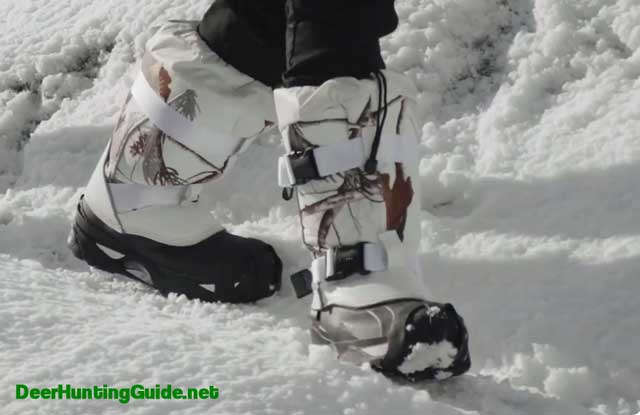
Comfort depends heavily on how far you have to walk: the boots feel extremely cushioned and cozy once you’re still, but heavy and slightly sloppy for long walk-ins or steep climbs. This is a trade-off you accept for the insulation performance.
The interior feel resembles a sleeping bag wrapped around your foot. The plush, soft liner and roomy toe box allow thick extra socks or even barefoot use—many cold-weather users noticed the liner wicks and insulates well on its own without socks in very dry conditions. The fit allows unrestricted blood flow and space for insulation to work, but creates a loose feel compared to structured hiking boots.
Sizing guidance for hunters:
- True-to-size works for normal size socks
- Half to one size up if you wear thick wool socks and toe warmers during all-day sits
- Try them on with your intended hunting socks late in the day for best assessment
Walking dynamics present the biggest challenge. At over 6 lbs per pair, the boots feel bulky and a bit heavy. They make it harder to place feet quietly on narrow ladder rungs, climbing sticks, and noisy frozen leaves. Take slower, deliberate steps on approach to avoid heel slip and reduce noise.
The two main straps and front cinch add security but don’t transform these into hiking boots. Ankle support is moderate at best—not ideal for side-hilling or steep ravines. Many experienced hunters deal with this by carrying the boots separately during approach hikes and swapping into them near the stand, or wearing lighter boots for the hike and changing at the tree base. This strategy prevents sweat buildup during active hiking that later chills feet when you sit for hours.
Traction and Stability on Ice, Packed Trails, and in Stands
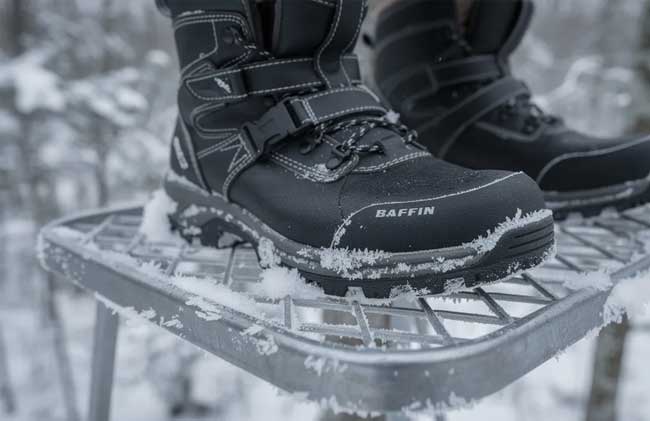
The Baffin Impact’s outsole pattern offers solid grip on snow and ice, though it feels less precise on rocky or uneven ground compared to dedicated mountain hunting boots. For most stand hunters, the traction proves more than adequate.
The aggressive lug pattern features deep, sharp lugs with good negative space that bite into packed snow, plowed logging roads, and frozen two-tracks. Walking to back-forty stands in mid-winter poses no issue. The Polar Rubber outsole compound maintains flexibility and grip at temperatures where standard rubber boots becomes brittle and loses traction.
Trade-offs to understand:
- Less bite on jagged rocks, creek beds, or frost-heaved hillsides
- More secure in straight-line walking than side-hilling
- Wide, flat base feels planted on treestand platforms and blind floors
The stability when standing on platform grates helps when drawing a bow or shouldering a rifle in bulky winter clothing. For hunters in extreme ice conditions, lightweight over-the-boot traction devices work well as add-ons for dark morning access trails.
Durability and Long-Term Use in Hunting Seasons
Baffin Impact boots are built for many winters of abuse—snowmobile miles, and hunting seasons—but have a few plastic components that serve as weak links over time. Overall durability makes them a solid long-term investment.
Durable elements:
- Thick Arctic Rubber shell resists cracking in extreme cold
- Double-stitched upper materials hold up to repeated use
- Substantial toe cap protects against banging on treestand steps, ice augers, and trailer ramps
- Quality EVA midsole maintains cushioning properties
Real-world longevity testing shows 5-7 winters of late-season whitetail sets, ice fishing trips, and snowblower duty with minimal visible outsole wear and intact insulation when liners are properly dried. One tester noted “there’s no wear and tear” visible even after extensive snowmachine use on studded steps.
Care tips for hunters:
- Remove liners after every hunt to dry near (not on) a heat source
- Knock off salt and barnyard muck from the rubber shell promptly
- Store fully dry between seasons to avoid mildew odors in liners
- Avoid direct heat sources like wood stoves that damage materials
Careful maintenance transforms these great boots into a long-term investment compared with cheaper hunting boots that compress insulation or lose performance after a couple of seasons.
Field Use: How the Baffin Impact Fits into a Hunting System
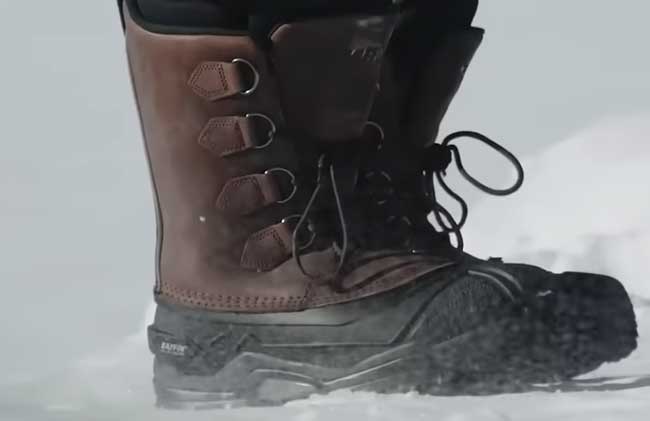
Think of the Impact as a specialty tool in your gear closet, not an all-season boot—a late-season hammer rather than an everyday driver. Understanding where it fits in your system maximizes its value.
Hunting scenarios where these boots shine:
- December/January whitetail sits in the Midwest and Northeast
- Rifle seasons in northern Alberta or Saskatchewan
- Night predator hunting over bait
- Ice fishing shanties between waterfowl sets
- All-day sits in Alaska during late-season hunts
Situations where they’re less ideal:
- Steep alpine elk or sheep hunts requiring extensive side-hilling
- Long still-hunting through mixed terrain
- Early-season archery when temps hover around freezing with frequent movement
- Extended driving in bulky boots (makes pedal operation awkward)
For layering, pair with high-quality merino or synthetic socks—a thin moisture-wicking liner under mid-to-heavy-weight wool works well. Some users go barefoot inside the liner in very dry cold, but this requires careful foot care. Chemical toe warmers placed above (not under) toes provide supplemental warmth without causing excessive sweating. Use windproof pants that cover the boot top and cinch tight to prevent snow entry.
Many hunters prefer wearing lighter boots while driving ATVs or trucks, then switching into the Impacts at the trailhead or base of the stand. This avoids clumsy pedaling, reduces sweat buildup during access, and preserves maximum warmth for the hunting period when you actually need it.
Pros and Cons for Hunters
The Baffin Impact boots deliver specific advantages for a specific type of hunter. Understanding both sides helps you decide if they fit your hunting style.
Pros for Hunters
Class-leading warmth makes these the warmest boots available for static hunting in extreme cold—temperatures that would defeat any standard hunting boot. The cushioned removable liner feels cozy during multi-hour sits, while the tall shaft blocks blowing snow effectively. Strong traction on snow and ice provides confidence during access, and durable construction supports multiple hunting seasons of hard use. For hunters who regularly hunt in sub-zero conditions where they’ve battled cold toes for years, the value proposition is clear—these boots actually solve the problem. The insulated shell architecture addresses heat loss through multiple pathways, which is why they work when other boots fail.
Cons for Hunters
The heavy and bulky feel makes long walks or quiet stalking difficult. At over 6 lbs per pair, they’re a chore to wear any distance. Waterproofing works well for snow and dry cold but fails when submerged at the shell-upper seam—stay dry by avoiding slush and creek crossings. Limited ankle support compared to mountain hunting boots makes technical terrain challenging. The wide, bulky profile creates awkwardness for driving and climbing tree stands. They’re simply too warm for everyday wear or early-season hunts above freezing temperatures.
Bottom line: If your hunts routinely involve more sitting than hiking in genuine cold, the advantages dominate. If you hike miles and only occasionally sit in moderate winter temps, a lighter insulated hunting boot works better.
Conclusion: Should You Buy the Baffin Impact for Hunting?
For late-season hunters who’ve abandoned productive stands because their feet quit, the Baffin Impact is one of the best choices available. These boots solve a specific problem that no standard hunting boot addresses—keeping feet warm through hours of motionless sitting in genuinely brutal cold.
Consider them a specialized extreme-cold hunting boot rather than an all-around option. They sacrifice agility and lightness in exchange for unmatched warmth and comfort when you’re stationary. The trade-off makes sense for the right hunter.
Hunters in northern states and provinces—Minnesota, North Dakota, Alaska, Northern Ontario—get the most value, as do anyone frequently sitting over ice, cut corn, or frozen timber in December through February. If temperatures in your area rarely dip below 10°F, or if you primarily pursue mobile spot-and-stalk hunting in mountains, lighter and more supportive insulated boots serve you better.
If your primary criterion is “never having to abandon a stand because your feet quit,” the Baffin Impact deserves a spot at the top of your list. For hunters who’ve tried sorel boots and standard pac boots without success in extreme cold, a new pair of Impacts changes the game entirely. I hope this review helps you make the right decision for your hunting conditions.
FAQ
This section answers common hunter-specific questions about sizing, socks, noise, and practical field use that weren’t fully covered above.
Do the Baffin Impact boots run true to size for hunting use?
Many hunters find them close to true length but quite roomy in volume due to the thick insulated liner. For thin or medium socks, order your normal size. If you plan on very thick wool socks or toe warmers during all-day sits, go half to one size up. The right boot should feel snug enough to prevent heel slip while allowing toe wiggle room for circulation. Try them on late in the day with your thickest intended hunting socks—feet swell slightly throughout the day, and you want adequate circulation room in deep cold. You will not need heated socks with these boots.
Can I climb ladders and tree stands safely in Baffin Impact boots?
It’s possible but requires care and practice. The soles are wide and the boots are bulky, so hunters should practice climbing their specific ladder stand or sticks at home before a dark morning hunt. Always use a safety harness, take slow deliberate steps, and check that boot lugs seat fully on each rung before shifting weight. The right foot placement matters more with these boots than with standard hunting boots. In snow or ice conditions on ladder rungs, extra caution prevents dangerous slips.
What socks work best with Baffin Impact boots for long sits?
A thin moisture-wicking liner sock under a mid-to-heavy-weight merino wool sock works for most hunters. If you run warm, a single high-quality wool sock suffices. Some experienced users go barefoot inside the liner in very dry cold—the Thermaplush layer wicks moisture effectively. However, new users should start with socks and experiment cautiously to avoid blisters. Avoid cotton socks entirely; wet feet get cold fast regardless of how good your boots are.
Are Baffin Impact boots too warm for early-season or mobile hunts?
For temperatures above roughly 25-30°F or for hunts involving hiking long distances, the boots cause excessive sweating, which later chills feet when you stop moving. They’re extremely warm by design—that’s the point. Reserve them for the coldest late-season sits and use lighter, more breathable insulated hunting boots for milder or more mobile hunts. Treating them as specialized late-season gear rather than everyday wear maximizes their effectiveness.
How should I dry and store the liners after a hunt?
Remove the liners immediately after returning from the field, shake out any snow, and air-dry them at room temperature away from direct heat sources. Wood stoves and boot dryers set too hot can damage the foam and metallic layers that provide insulation. Store both liners and shells completely dry in a cool, ventilated area during the off-season to prevent odors and preserve insulation loft. Proper care ensures these durable boots last many winters of hunting use.
